

The right time to rebrand is when your business has changed and the brand has not caught up: you sell to different buyers, charge more, offer new services or have more people representing you. Most businesses reach that point after a few years of steady trading. If you are still working out what you sell and who to, wait, and use a simple identity until things settle.
A rebrand takes time and money, so it should happen for a reason. These four things tell you whether now is the right moment. If two or more of them apply, it is worth a conversation.
How long you have been trading
In your first two years, you are usually still testing your offer and finding out who buys from you. A full rebrand now risks fixing a position that will change again. A simple, well-made identity is enough, and Kickstart exists for this stage.
After two to five years, most businesses have steady clients and a clearer offer. This is often the best time to rebrand, because you know what the business is and the brand has not kept up.
After five years or more, you probably have a reputation worth protecting. The brand may look dated or patchy, but people recognise it. The job is to bring it up to date without losing what customers already trust, which is often a refresh rather than a new name and logo.
How many people use the brand
When there are two or three of you, consistency comes from talking to each other. Once several people write proposals, post on social media, brief printers or speak to customers, things drift. Different templates, old logos and different ways of describing the business start to appear.
Signs this has happened:
- proposals and presentations look different depending on who made them
- staff describe what you do in different ways
- more than one version of the logo is in use
- nobody is sure which colours or fonts are correct
A rebrand with clear guidelines gives everyone the same starting point. If the brand itself is fine and only the consistency has slipped, guidelines and new templates may be all you need.
What you are planning next
A rebrand is easiest to justify when something is about to change. Common triggers include:
- bidding for larger contracts, or work with councils, the NHS or corporate buyers
- raising your prices
- launching a new service or moving into a new sector
- a merger, a takeover or a change of ownership
- a new website that is due anyway
In each case, buyers will look you up before they decide. If the brand they find looks smaller or older than the business, it works against you at the moment it matters most.
Signs the brand no longer fits
Sometimes there is no single trigger, just a growing sense that the brand belongs to an earlier version of the business. Typical signs:
- you avoid sending people to your website
- you apologise for your materials, or explain that they are being updated
- you attract enquiries that are too small or not the right fit
- you have changed what you offer, but your brand still describes the old business
- your materials have been put together over the years and no longer match
We explain each of these in more detail in 5 signs your brand is holding you back.
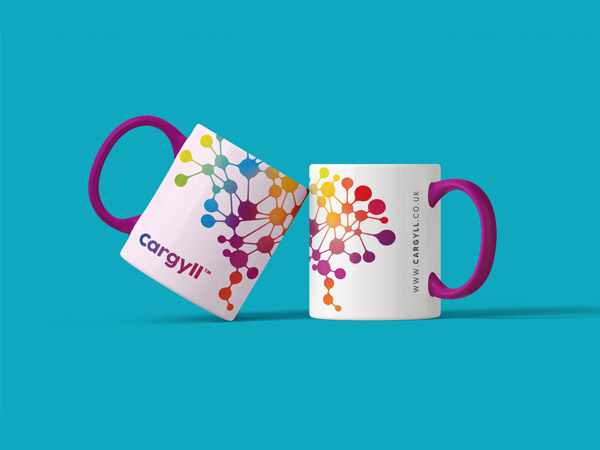
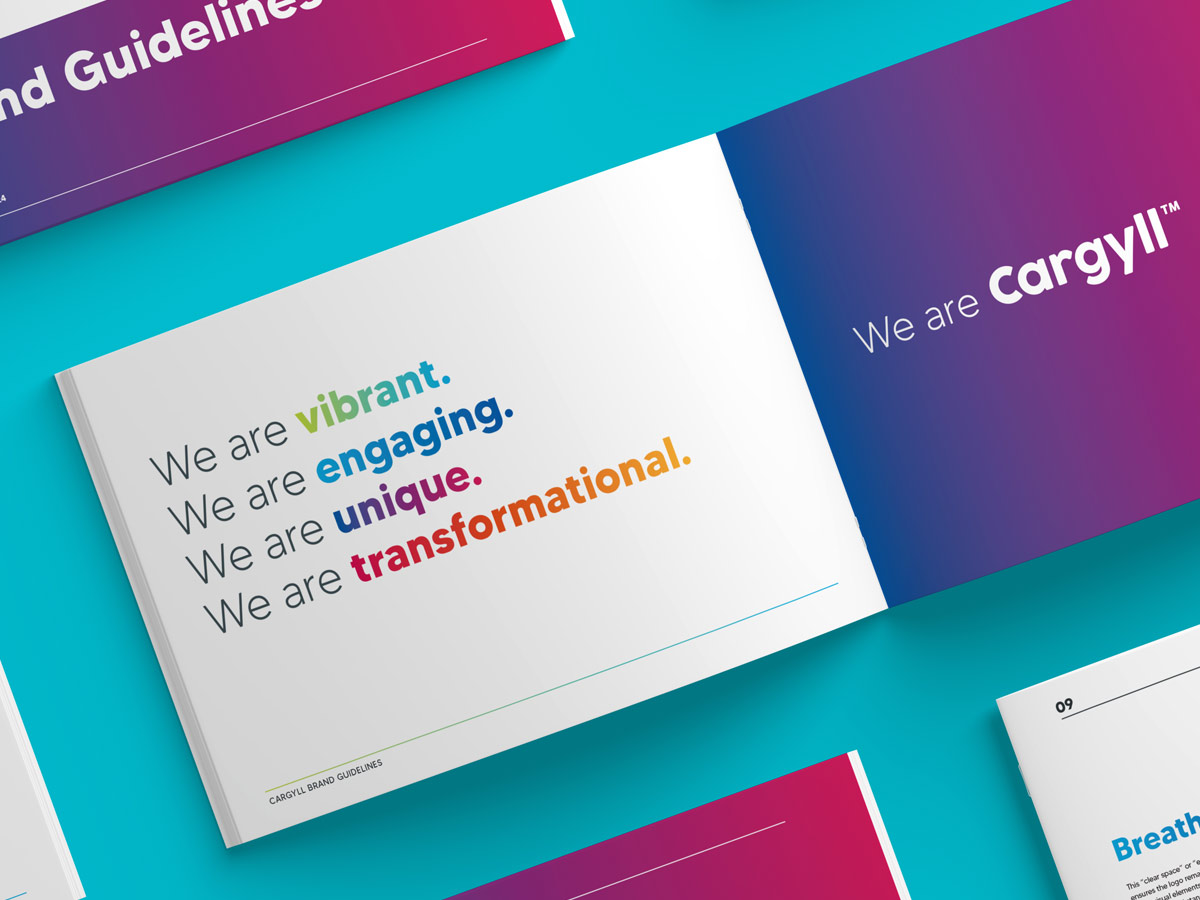
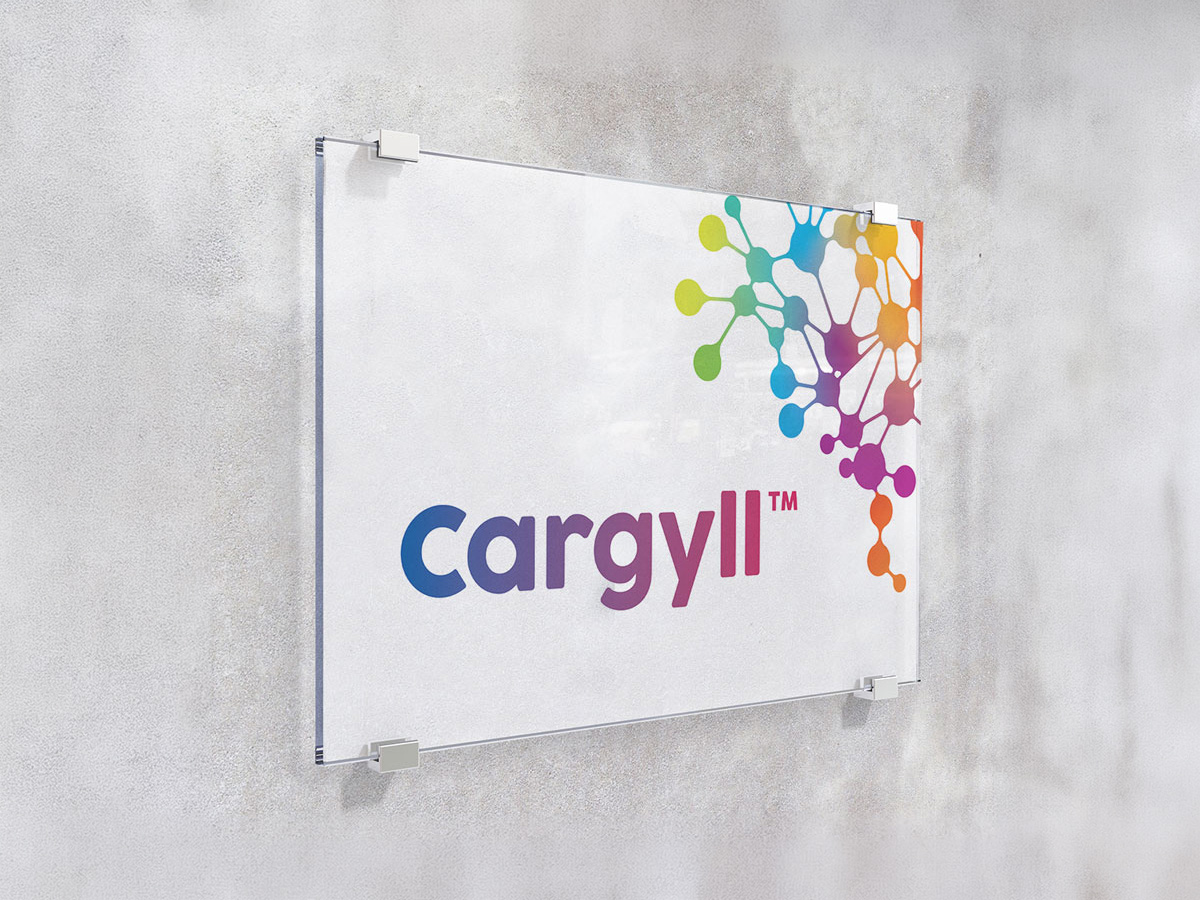
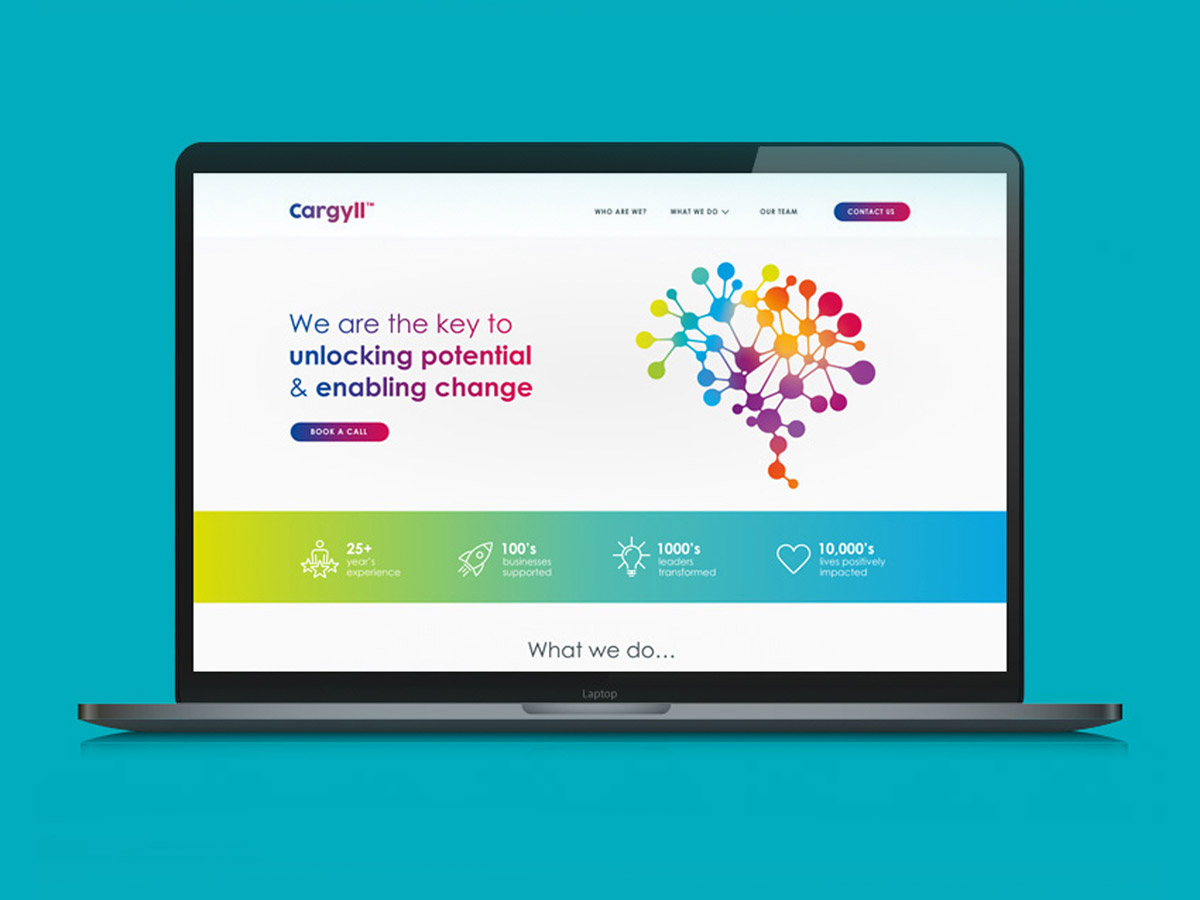
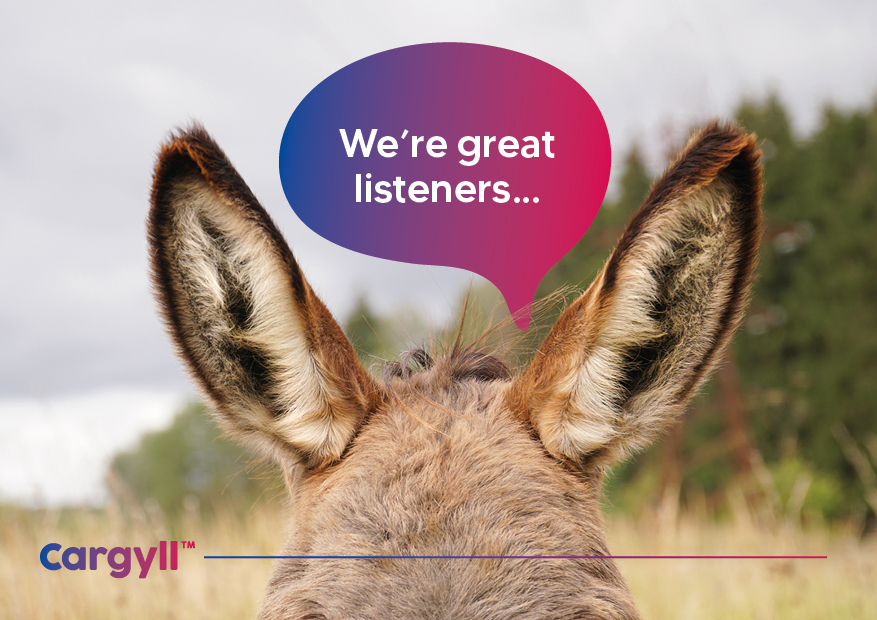
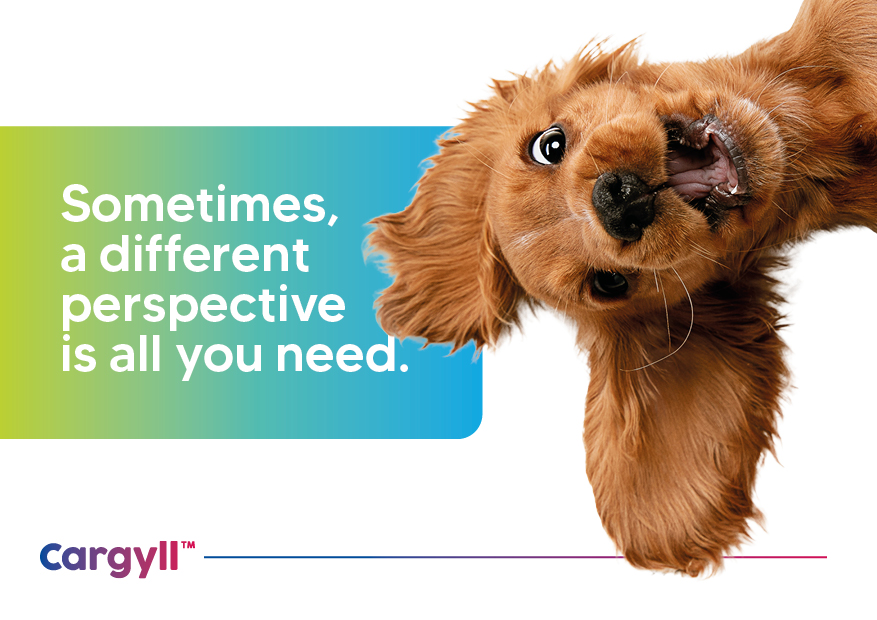
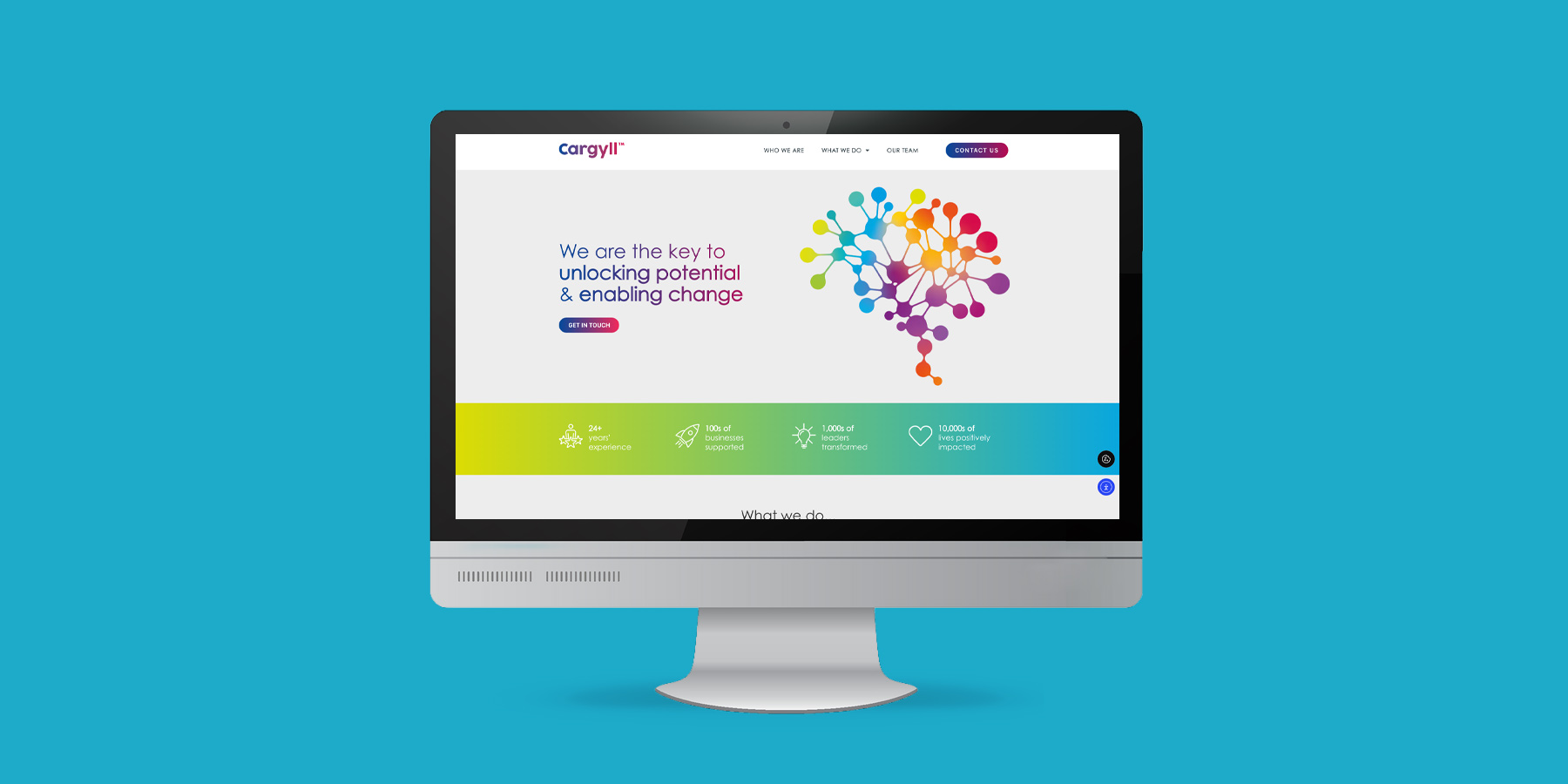
Cargyll is a good example of timing. The consultancy has worked with us for over a decade and has updated its brand as the business has changed, rather than all at once.
When to wait
A rebrand is not always the right answer. It is usually better to wait if:
- you are still deciding what you sell and who to
- a bigger change, such as a merger or new ownership, is coming in the next few months
- you cannot give the project time, because decisions need the people who run the business
- the money would be better spent elsewhere for now
If you need to wait, you can still tidy up: one version of the logo, consistent colours and fonts, and templates for the documents you send most. When you are ready, How much does a rebrand cost in the UK? explains what to budget, and Brand Therapy covers the brand and website together.
Common questions
How often should a business rebrand?
There is no fixed cycle. Most established businesses refresh their brand when something significant changes, such as new services, new buyers or new ownership, rather than on a timetable. Changing it too often can confuse customers who already know you.
Should we rebrand before or after a new website?
Before, or at the same time. A website built on a brand that is about to change will need redoing. If both are due, doing them together means they match from the start and you only go through one launch.
Will a rebrand confuse our existing customers?
Not if you plan it. Keep what people already recognise where you can, tell existing customers before the change goes live, and switch everything over in a planned order rather than bit by bit over years.
