

The clearest signs you need a rebrand are that the business has grown but the brand still looks like its earlier self, you get enquiries that are too small or the wrong fit, buyers need a long explanation of what you do, you avoid sending people to your website, and your team uses the brand in different ways. One sign on its own may only need a small fix. Three or more usually mean the brand needs rethinking.
1. The business has outgrown the brand
This is the most common one. You now work for larger clients, charge more or offer more than when the brand was created, but the logo, website and documents still look like the business you were then.
Buyers judge you on what they see before they speak to you. If you are bidding against established competitors, a brand that looks home-made or dated makes you look like a smaller risk to take, whatever the quality of your work.
What to do: put your website and a recent proposal next to those of two competitors you would like to be compared with. If yours looks less established, the brand needs bringing up to the level of the business.
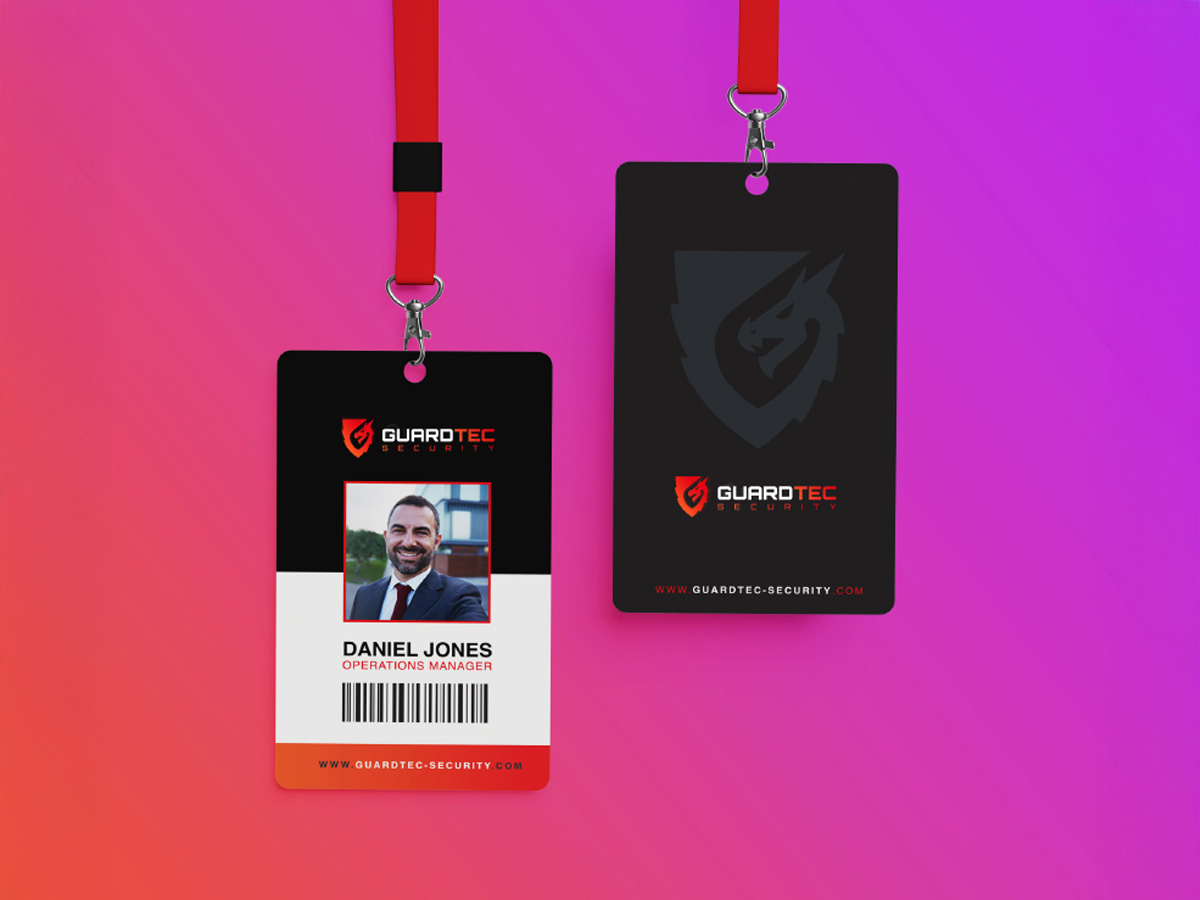
This was the situation at GuardTec Security, which started inside a site services company and needed its own brand and website once it had grown into a security business in its own right.



2. You get the wrong enquiries
If enquiries are often too small, from the wrong sector or from people expecting a lower price, your brand may be describing a different business from the one you run now.
It is usually a mix of things: wording written for old customers, examples of past work that no longer represent you, and a look that suggests a smaller firm.
What to do: read your homepage as if you were the buyer you want. Does it say who you work for, and show work they would recognise? If not, start with your positioning and wording, then the design.
3. You spend too long explaining what you do
If every sales call starts with a long explanation, or you send follow-up emails to clarify things your website should have covered, the brand is not doing its job. Buyers should understand what you do, who it is for and why they should choose you before they get in touch.
What to do: write down how you describe the business when a conversation goes well. That wording, tested and tightened, should be on your website and in your documents. If you find this hard, a copywriter can help.
4. You avoid sending people to your website
You send a PDF or your LinkedIn profile instead. You tell people the site is being updated. You apologise for old photos.
Buyers check your website whether you send them there or not, so a site you avoid is still being judged. It also costs you time, because you are making up for it in every conversation.
What to do: if the brand is in good shape and only the website is out of date, a new website may be enough. If the brand itself feels wrong, do both together so they match. We cover this in Why your website might be making you look smaller than you are.
5. Everyone uses the brand differently
As a business grows, more people make things with the brand: proposals, presentations, social posts, signage and uniforms. Without guidelines, each person makes their own choices, and the business starts to look like several different companies.
What to do: collect everything that carries your brand in one place and look at it together. If it does not look like one business, you need guidelines and templates. If the logo and colours themselves are the problem, you need a Brand Identity project rather than just a tidy-up.
What to do next
Count how many of the five apply to you.
- One: fix that one thing. It may be wording, a website update or a set of templates.
- Two: look at whether they share a cause. Often both come from positioning that no longer fits.
- Three or more: the brand probably needs rethinking. A rebrand with a new website, such as Brand Therapy, deals with all of them at once.
If you are weighing up the timing, read When to rebrand your business. For costs, see How much does a rebrand cost in the UK?
Common questions
What is the difference between a rebrand and a brand refresh?
A refresh updates how the brand looks, such as the logo, colours and typefaces, while keeping the name and positioning. A rebrand can also change how you describe the business, who it is aimed at and sometimes the name. Most established businesses need a refresh more often than a full rebrand.
Can we fix our brand without changing our logo?
Often, yes. If the logo is recognised and still works, the problem may be wording, inconsistent use or an out-of-date website. We will tell you if the logo can stay.
Should we rebrand if our business is doing well?
Doing well is often the best time. You have the money and the clarity to do it properly, and a brand that matches the business helps you win the next level of work rather than the same work again.
